

Building foundational robotics to enable human‑centered drug development.
We build human tissue in volume and put candidate drugs through robotic testing on it, so the evidence behind every therapy comes from human biology, measured directly.
of drugs that pass animal testing still fail in human trials. We take the guesswork out by generating human evidence up front — not mouse data after the fact.
One closed loop: grow, test, learn.
Three capabilities that feed each other in one continuous loop.
Human tissue, grown to spec
Reproducible tissue models across the major organ systems, in healthy and diseased states, behaving closely enough to real biology to trust the readout.
Robotics that test in parallel
Each rig runs thousands of tissues at once with tightly controlled timing, packing the output of an animal facility onto a single bench.
Models that pick the next experiment
Active-learning models read every result and choose what to run next, so each round of testing sharpens the predictions faster than a manual team could.
Human responses a mouse can't show you.
Our tissue models reproduce how real human organs behave and respond, so the effect of a therapy shows up in human biology long before a trial does.
Browse the organ models → Confocal / microscopy imaging
Thousands of experiments, run in lockstep.
Modalities, combinations, and multi-phase regimens run across thousands of tissues at once, each one timed and handled identically — a level of consistency manual work can't reach.
Inside the automation →AI grounded in real human measurements.
3D imaging, single-cell sequencing, and proteomics feed models that map human complexity, while the active-learning loop keeps producing the exact data those models need.
How the models learn → Brightfield / fluorescence imaging
40,000 humans in
Rogers Centre
40,000 synthetic patients

a little larger than a shoe box
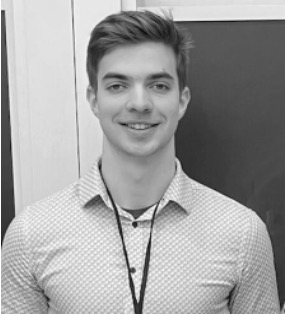
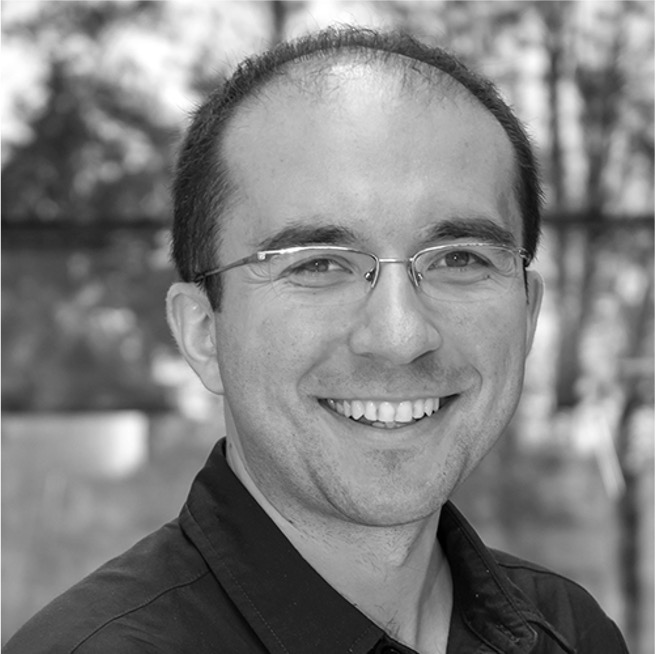
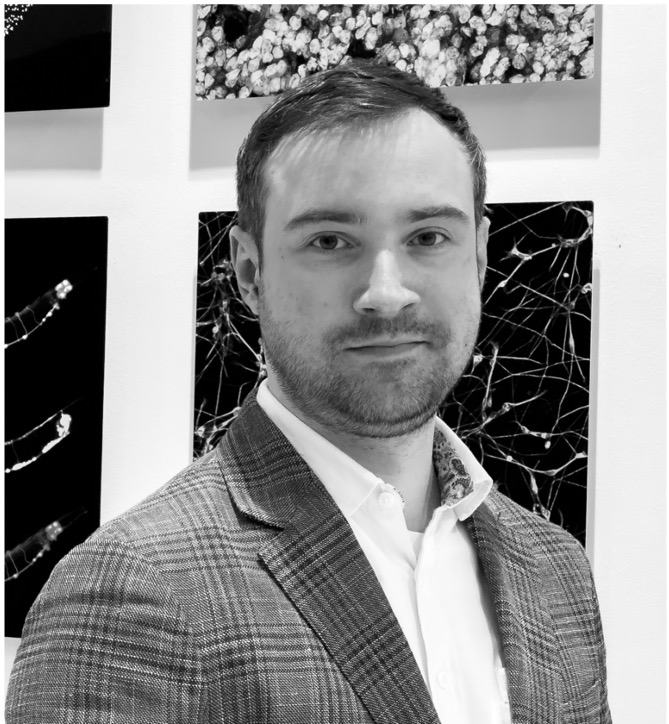
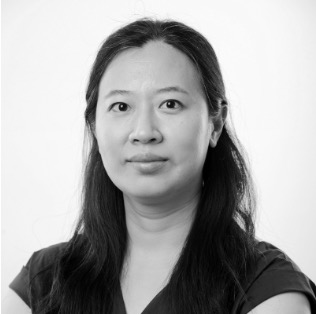
Our founding team.
Canadian scientists, engineers and leaders building a human-centric approach to preclinical screening.

Let's put human data first.
Tell us what you're working on, and our science and partnerships leads will follow up.
Start a conversation →